
Are martial arts suitable for someone with a past injury or joint problems?
- Martial Arts
- Injury-Friendly Training

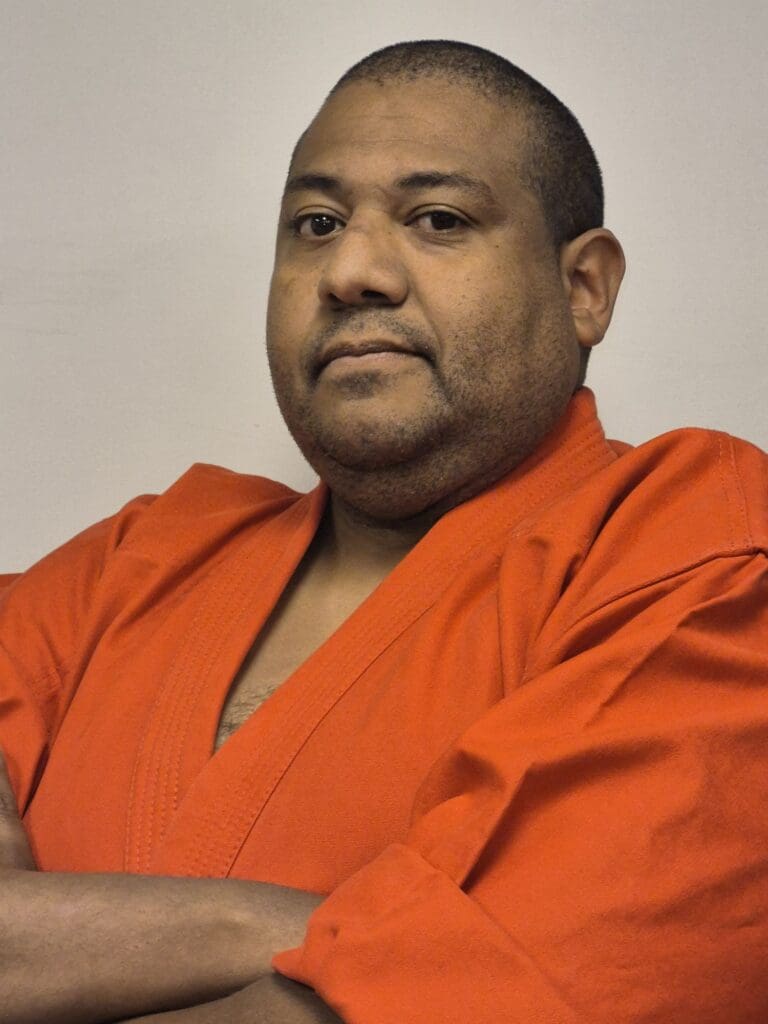
Written and reviewed by Shian Daniel Barner
How Training Can Be Adjusted for Past Injuries
Why It's Important to Share Your Injury History
Before starting, let your instructor know about any past injuries, surgeries, or joint problems. Instructors such as Shian Daniel Barner can only plan safe modifications when they know what to work around. This conversation should happen early and continue as your training progresses, especially if a movement causes discomfort.
Movements and Habits That Support Joint Health
When to Check With a Doctor First
Building Confidence and Strength at Your Own Pace
Related questions
Which parts of martial arts training are most likely to aggravate the injury or joint problem for someone?
What martial arts drills can be modified or substituted while that injury is being managed?
Many martial arts drills can be adapted depending on the type of injury, allowing training to continue safely. High-impact sparring can often be replaced with slow-paced technique work, while footwork or kicking drills may be substituted with stance training or upper-body focused exercises. Striking pads can sometimes replace contact drills to reduce strain on an injured area. Working closely with your instructor, Shian Daniel Barner, ensures these substitutions match your recovery stage and can be adjusted as healing progresses.
What details about the injury should the student tell the martial arts instructor before training?
When is medical clearance sensible before starting or returning to martial arts with that injury?
Medical clearance is a wise step whenever an injury is recent, still healing, or involves joints and areas that martial arts movements could stress. It doesn’t mean training is off the table entirely – it usually just means a doctor identifies which movements to avoid or modify before beginning, allowing training to continue with suitable adjustments. Many people with past injuries or manageable joint conditions return to regular training once they’ve gotten this go-ahead.
What pain or warning signs mean the student should stop or scale back martial arts training?
Other resources you may like

- Last updated: 25 September 2026